Infant Dehydration
Dehydration is when the body does not have enough water to function at its best. Our bodies are designed to store energy sources from food in many different ways. If we aren't eating enough these stores allow our bodies to have multiple backup sources for energy like our liver, muscles and fat.
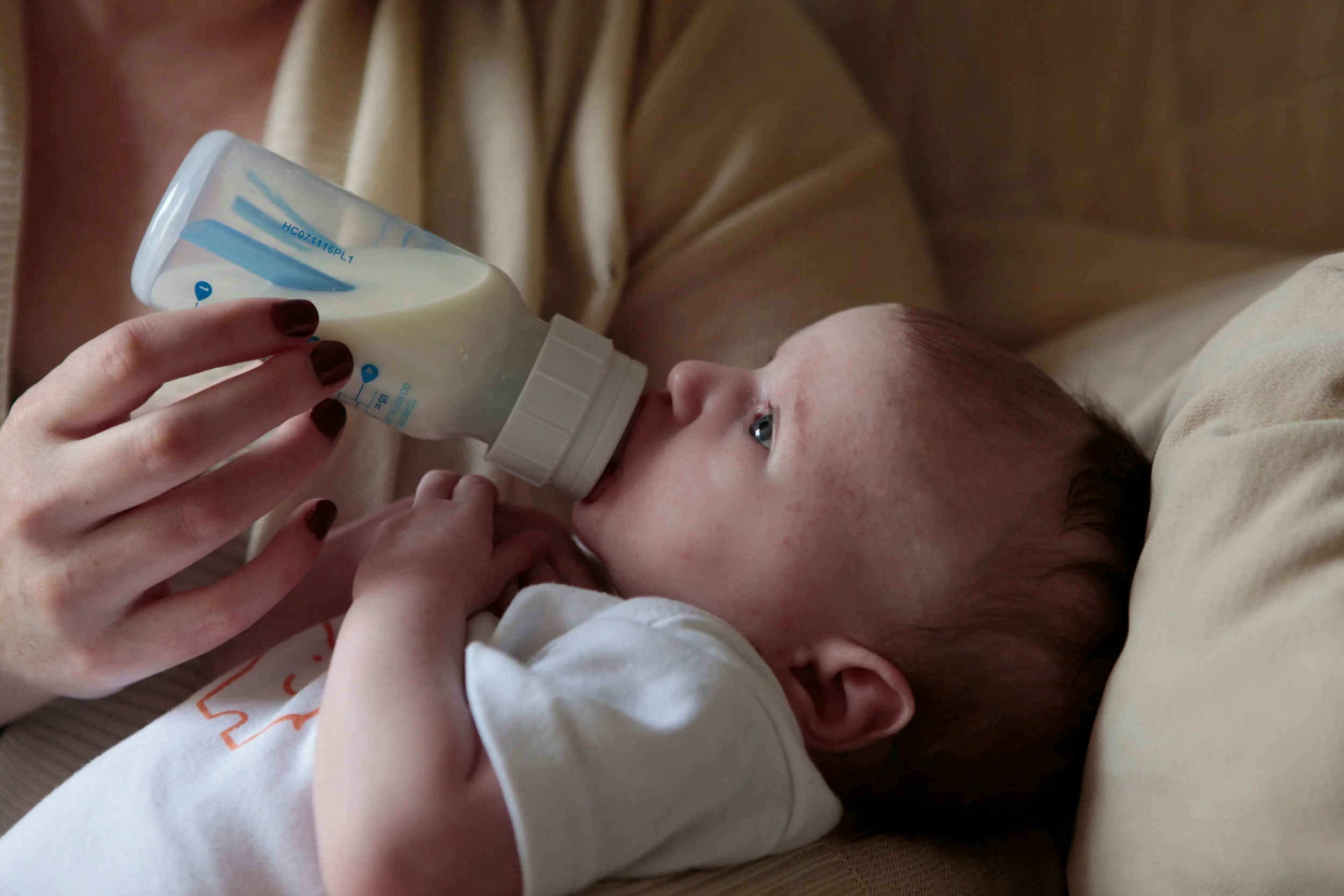
Our bodies however do not have a way of storing backup water when needed. For this reason, fluid intake is more important in the short term than food energy intake. That can be hard as a parent when your little one is refusing food but try to remember, water is life.
That can be hard as a parent when your little one is refusing food but try to remember, water is life.
Your newborn’s body should have enough fluid intake to allow their kidneys to make at the very minimum 1 urine every 8 hours. But this is a minimum and in an ideal situation with a well fed and hydrated infant expect your baby to pee every 3-4 hours (even more frequently for newborns).
If your baby is making less than 6 wet diapers a day, call your baby’s health care provider as soon as possible for further guidance.
Your baby’s intake may decrease for many reasons from being full because of an increase in their solid diet, to just note feeling well enough to eat, to more concerningly from illness actually affecting their gut. Their body may also be using up fluid faster than normal such as during periods of increased activity level or fevers. Losses in fluid from vomiting or diarrhea are usually the main cause of dehydration in infants.
Fun Fact:Vomiting which is uncommon is different from spitting up aka refluxing which is common in infants. They are caused by contractions in different muscles and carry different risks.
Vomiting is the forceful and usually uncontrolled contraction of abdominal muscles causing the stomach contents to empty out through the mouth. It is very rare for reflux alone to be the cause of true dehydration. To learn more about refluxing visit our section on Reflux and overfeeding.
Diarrhea in an infant can be defined in many ways but the key factor is increased watery poop which may be more frequent or larger volume than what is normal for your baby.
Being hydrated means there is enough water in the body to function at its best.
Signs of Dehydration

Urine color can also tell us a lot about how well hydrated your baby is. Normally your baby’s urine should be a clear to light yellow color. Darker urine or stronger smelling urine can indicate more concentrated urine meaning less fluid in the body.
Brick dust urine: Newborns may sometimes pee a red, pink or peach colored powdery or dusty substance against the diaper. This is called brick dust urine. The color of the urine is due to a type of chemical normally found in urine called urate. When there is not enough fluid in the urine, urate may form crystals that cause the color change. This is usually seen in the first few weeks of life. Increasing the amount of breast milk or formula your baby is drinking will help decrease the urate crystals.
There are other signs of dehydration your baby’s doctor will look out for:
A sunken soft spot
Decrease in the number of wet diapers
Darker colored pee
Not making tears in an older infant
Sticky saliva instead of slippery runny saliva
Dryness to the tongue and inside of the mouth
Dryer or harder stools
Less bouncy skin (called skin turgor, this is the ability of the skin to be stretched and return to normal)
Fingers or toes taking a longer time to return to normal color when brief firm pressure is applied and released (called capillary refill or cap refill for short, this tells the doctor how well your baby’s blood vessels are able to provide blood to the furthest parts of their body from their heart. It can be increased for many reasons most commonly cold surrounding temperature and dehydration).
Sleepier than normal and less active than normal
Sunken skin underneath their eyes
These are all things you can watch out for at home yourself.
If you are concerned that your baby may be showing signs of dehydration call your baby’s healthcare provider as soon as possible for further guidance.
How is dehydration treated?
Fluids! It is always preferred that dehydration be fixed by drinking if your baby is able to do so.
Treating any underlying causes of dehydration (such as medications to stop vomiting or treat diarrhea)
If your baby is breastfed
You may need to nurse your baby more frequently especially if they are only nursing for shorter periods of time. If your baby is also vomiting then more frequent, shorter/smaller feeds are easier for their tummy to handle.
If your baby is refusing to nurse you can try using a syringe, spoon or medicine cup to feed your baby up to 10 mls (2 teaspoons) of breast milk every 3-5 mins. With a goal to get at least 1-2 oz of fluid every 1-2 hours.
Oral rehydration solutions like Pedialyte and Enfalyte are made with the right balance of water, salt and sugar and are also an option. Please call your baby’s healthcare provider for guidance on doing this if you feel this is what your baby needs.
If your baby is formula fed
You may need to decrease your baby’s volume of formula and offer it more frequently especially if vomiting is present.
Ok to offer the formula in a syringe, medicine up or spoon if your baby is refusing the bottle. Feed your baby up to 10 mls (2 teaspoons) of breast milk every 3-5 mins. With a goal to get at least 1-2 oz of fluid every 1-2 hours.
Oral rehydration solutions like Pedialyte and Enfalyte are made with the right balance of water, salt and sugar and are also an option. Please call your baby’s healthcare provider for guidance on doing this if you feel this is what your baby needs.
If your baby is eating solids
Focus on fluid intake first.
Once they are drinking enough fluids and able to keep it down, then you can offer their regular diet.
If vomiting was present, avoid acidic and spicy foods.
If diarrhea was present, avoid foods high in processed sugar and fat/oils.
DO NOT give plain water to your baby as sugar and salt are necessary in the right amount to keep water in the right parts of their bodies.
DO NOT use anti vomiting or antidiarrheal medications without talking to your baby’s healthcare provider as many of the over the counter medications are not best for babies.
DO NOT give your baby fluids like undiluted juice, teas, sodas, sports drinks or energy drinks. These contain unbalanced levels of sugars and salts as well as other ingredients that can worsen your baby’s condition.
If your baby is not responding within 2-4 hours of trying oral techniques to give them fluids please call your baby’s healthcare provider for further guidance.
If your baby seems to be worsening (refusing all fluids for more than 4 hours, vomiting more than 3 times in a 24 hour period, vomit that is bright red, dark green or coffee grounds colors) please seek urgent or emergent care.
If your baby is not responding to you, breathing faster and/or shallower, becoming limp, please go to the emergency room or call 911.
Written by: Dr. Farida Kwaji
Uwa Postnatal Care