Nutrition for Lactation
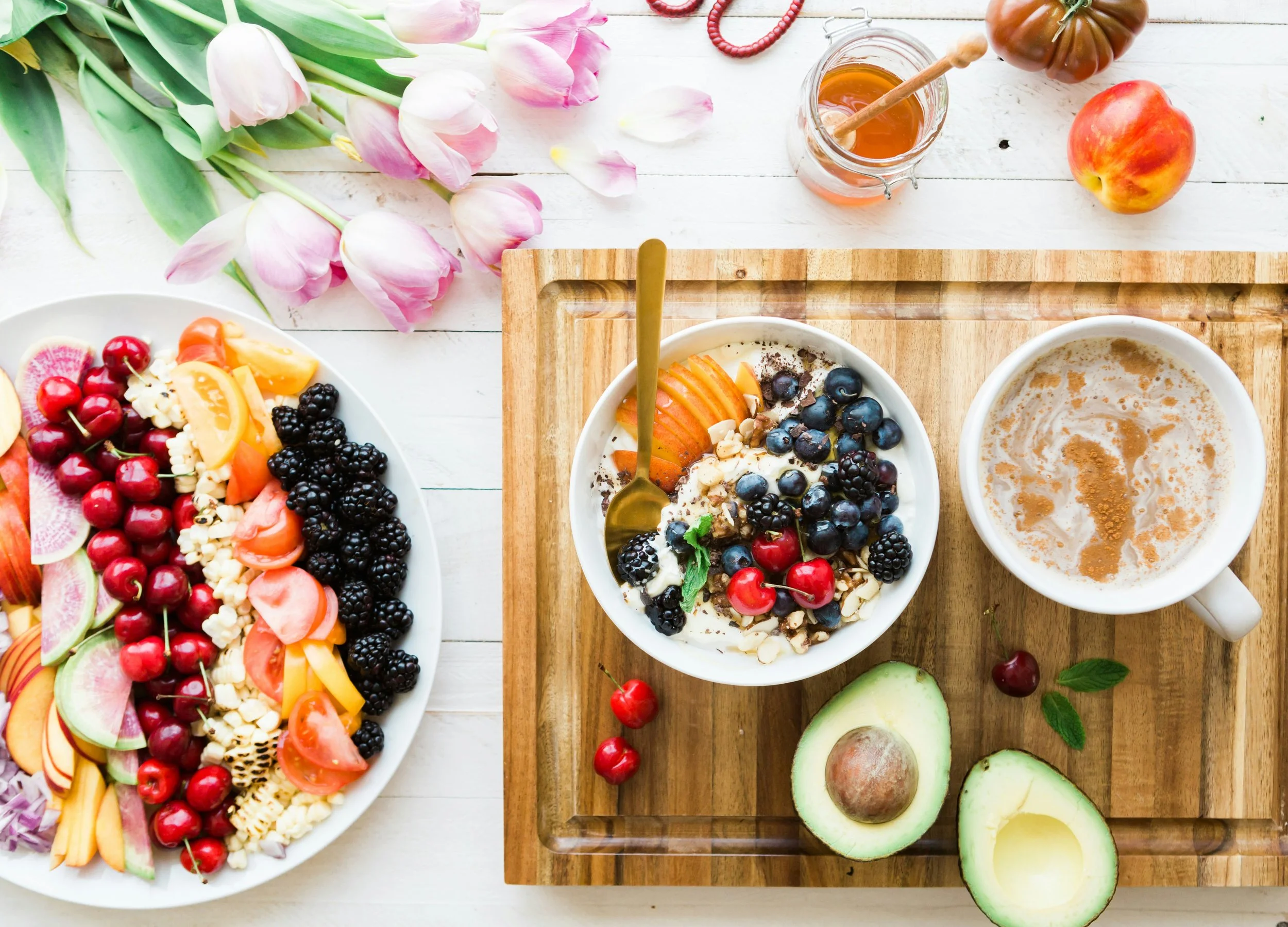
Most families do not have the luxury of support systems that can routinely cook balanced nutritious meals for them while they recover during the postpartum period. New parents rely heavily on food delivery options or are at the mercy of eating food that is either prepared or dropped off by others. While well intentioned, these meals can be heavily processed and high in calories that won’t support lactation.
Focus on foods and herbs that will help increase milk supply while ensuring adequate calorie and water intake.
Foods
Fun fact: Most are aware that pregnancy requires increased demands on your body, but not many realize breastfeeding and pumping breast milk require an additional 500 calories per day.
Those calories need to be calories that your body can use to energize you while also producing a nutritious balanced milk supply. In addition to a wide range of fruits and vegetables, here are a few examples of foods to add throughout your lactation journey to help the quality of your breast milk.
Protein rich foods: lean meats, eggs, lentils, beans.
Lean meats: chicken (breast), turkey, fish and seafood
Beef/pork: if beef and pork are a must, choose round, chuck, sirloin and tenderloin
Fish and Seafood: great source for protein and healthy fats but choose fish and seafood low in mercury such as salmon, trout, tilapia, cod, sole, sardines, shrimp, oysters, and other shellfish.
Whole grains: oats, quinoa, barley, millet, brown rice, bulgar, buckwheat, rye, teff, whole wheat, spelt, corn.
Healthy Fats: fish, olives/olive oil, avocado (oil), eggs, dark chocolate, chia/flax/hemp/sunflower seeds (oil), nuts, tofu(soybeans), greek yogurt, cheese
For more tips and recommendations on the nutritional path to help your postpartum body heal, replenish and function, Check out our nutrition articles.
Fluids
The things you choose to drink are just as important as what you eat. Limit drinking things with high fructose corn syrup as an ingredient. Drink enough water so that your urine is always clear like the color of lemonade. As a quick trick we would go with the recommendation to drink half your body weight in ounces. So if you weigh 150 lbs you should aim for 75 ounces of water daily. That being said, inadequate hydration or inadequate calories have not been shown to have an impact on supply. The research shows that humans make adequate milk even when mothers are suffering from starvation. But hydrating yourself ensures you are maintaining your own body’s needs while continuing to provide for your little one. Aim to keep caffeine intake less than 30mg of caffeine daily (that’s about three 6 oz cups of coffee or four cups of tea). High caffeine intake has not been linked to decreased milk supply. In fact, one study (Consequences on the newborn of chronic maternal consumption of coffee during gestation and lactation: a review) suggests that high caffeine intake can actually increase breast milk supply. This seems like a good thing however, caffeine is transferred in breast milk to babies and can increase jitteriness and fussiness. Additionally, increased caffeine may lead to more milk than your baby needs. This is called an oversupply. For mom, oversupply can lead to engorgement with clogged milk ducts and risk for mastitis, a type of infection and inflammation to the breast. For more information on what happens when you have more milk than you need visit our section on oversupply.
Galactagogues
Everyone who breastfeeds does not always have enough breastmilk to feed their baby though. This is called an undersupply. If you are concerned about undersupply dietary supplements with the guidance of your lactation consultant or medical provider may be an option. For more information regarding reasons for undersupply and management for this during direct breastfeeding or pumping visit our section on undersupply. Foods alone can also be used to increase the production of breastmilk. Some foods contain substances shown to increase milk supply. These are called Galactagogues. They may be included in supplements like lactation cookies and mothers milk teas, but can also be found naturally in foods. Although there is plenty of cultural and anecdotal evidence throughout the world to support galactagogues, there are only a few high quality studies to support their use. There has not been shown to be any harm in using them however. Here are a few examples of foods thought to naturally be high in Galactagogues to help increase milk production.
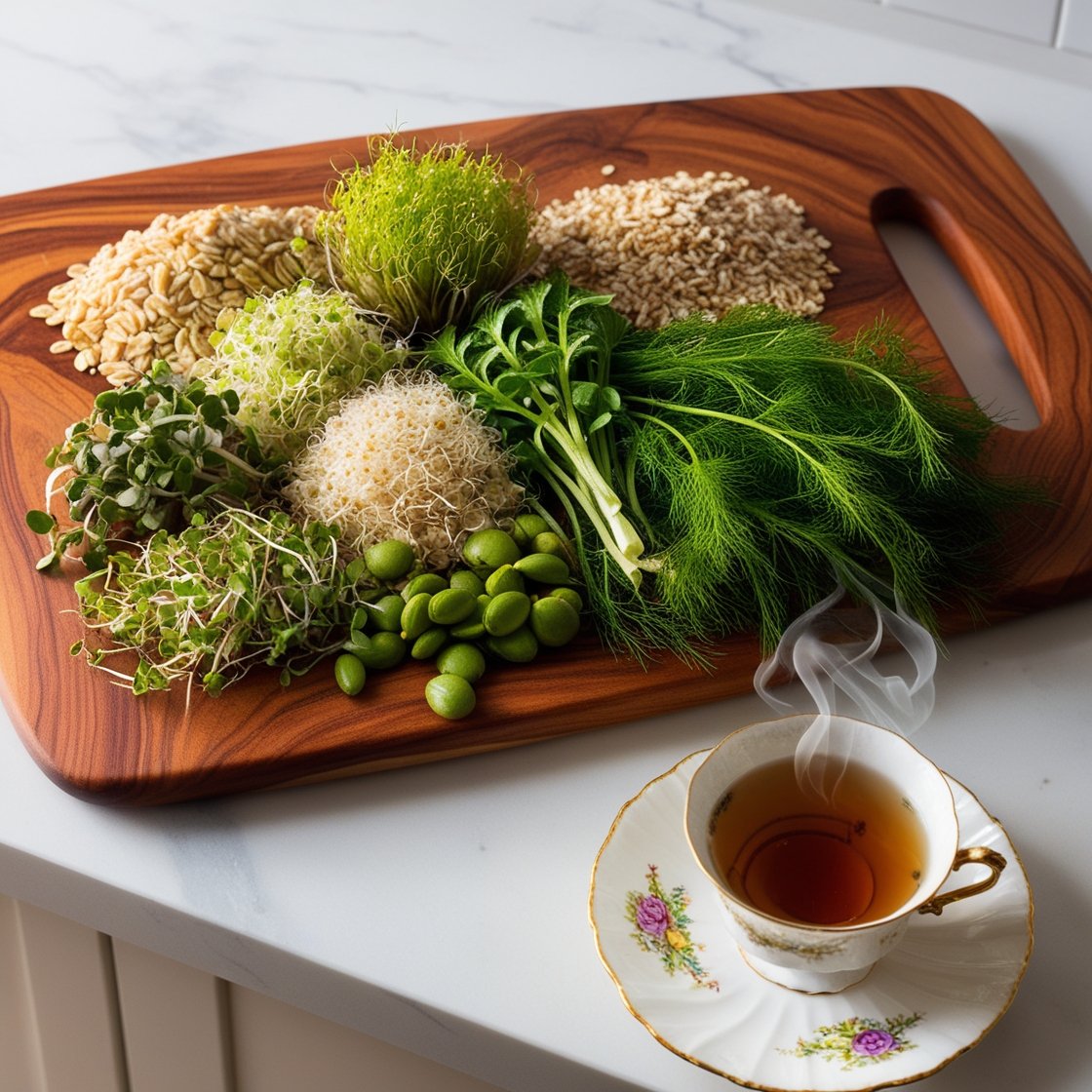
Fenugreek, blessed thistle, fennel and alfalfa possess phytoestrogens.
It is believed that phytoestrogens may mimic how your body’s estrogen causes production and release of prolactin. These can be added to shakes, teas or other foods to make them easier to ingest. Oats are an easily accessible whole grain also thought to increase milk supply although this has not been consistently supported by research. It is believed that oats help to correct maternal iron levels which have been shown to have correlation between low milk supply.
Please check with your medical provider before starting any Galactagogues as some may be contraindicated with certain medical conditions. Fenugreek, for example, is not to be eaten by people who take diabetes medication because it can lower your blood sugar.
Written by: Kiana Ayers IBCLC and Dr. Farida Kwaji
Uwa Postnatal Care